Summer Food Therapy
Discussing Chinese medicine food therapy is one of my favorite yang sheng, or nourishing practices, to talk with patients about. I always think about it as one of the most frequent, direct ways we can impact our health - after all, we eat three meals per day!
One of the key principles of food therapy is that what we eat should change with the seasons. This includes a familiar idea - we can focus on eating the foods that are in season - but it is also a much broader concept! Food therapy says that what we eat can help balance our body’s reaction to the current weather and climate.
“Food therapy says that what we eat can help balance our body’s reaction to the current weather and climate.”
That may sound complicated, but it can be intuitive and simple once you understand the basics! For example, if it is cold and wet outside, and our body feels cold and heavy (damp), we should eat foods that are warming and a bit drying (or, at least not increasing the dampness!).
During summer, it can sometimes seem a bit more complicated! There are more climate and weather factors to consider in Summer than in other seasons. If we spend a lot of time outside, we can be impacted by the high humidity (dampness!) and heat, but if we are inside often, we are also dealing with dryness and cold from AC. If the AC doesn’t run too often, it may be cooler inside, but also damp from humidity. There are also summer-specific conditions that we want to watch out for, such as Summerheat - a condition similar to heatstroke. That can be a lot to balance!
Start with the basics:
The basics of food therapy is similar from season to season. No matter the season, here are the general guidelines:
Try to reduce or avoid iced, cold, and too much raw food and drink. Even though it can be tempting to reach for an iced drink when it is hot, this can end up causing problems later - especially in people with sensitive digestion or pre-existing "damp" conditions!
Eating some raw fruit and vegetables in the summer is usually okay - but if you start to have looser bowel movements or show more signs of dampness, you may want to eat less raw food.
If you’re outside in the heat and all that’s available to drink is ice water, drink it - of course! Staying hydrated is the most important. But, if you’re inside in the AC, maybe skip the iced coffee/tea/matcha.
Go light on damp-causing foods, such as highly processed foods, dairy and non-diary replacement foods (including ice cream, sorry!), and alcohol. Again, some can work - pay attention to how your body reacts and tweak your intake accordingly.
Work towards 80/20 - not 100%. The goal is never strict adherence, it is figuring out what level of moderation works best for your body. As a general guideline, I recommend to patients to try to work towards following the guidelines for 80% of their meals (if you eat 3 meals per day, that’s 16-17 meals of your week; if you have 6 beverages per day, that’s 4-5 of them) and then see how they feel. Often, this is enough to feel a really significant change!
Layer on Summer specific scenarios…
Now, let’s talk about some specific scenarios in Summer. Since there is a lot of overlap in these categories, the best way to see how something makes you feel is to experiment! Try following the guidelines below, changing what you eat based on how you’re feeling, and see what changes.
If you're feeling hot, focus on cooling (not cold!) foods. Signs of being too hot include, of course, body temperature, but can also show up in increased dreams, feelings of anxiety, migraines, and more. Focus on "cooling" foods below.
When you're out in the humidity, focus on damp-draining foods. If you struggle with dampness and humidity - such as feeling lethargic, your body feeling heavy, brain fog, lots of extra mucus, etc. - then incorporate some "damp-draining" foods regularly.
If you spend more time inside in the AC, focus on ensuring you don't get too dry and/or too cold. Signs you may be more dry include increased thirst, dry sinuses or throat, dry skin, dry cough, dry eyes, etc. Signs of being too cold are your body feeling cold (of course!), loose bowel movements, and sometimes fatigue.
Then consider specific foods for each scenario.
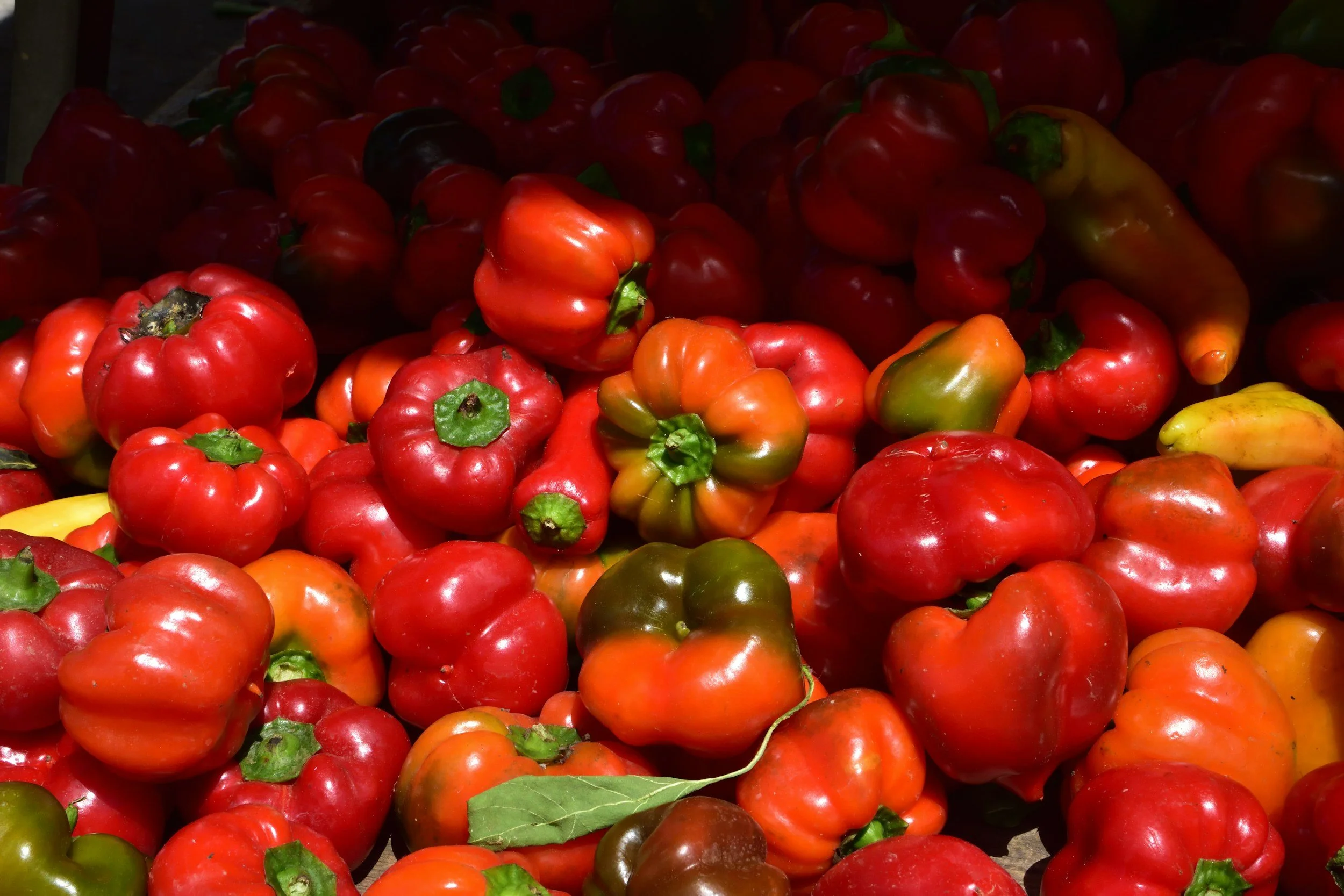
In general, red foods are considered "summer" foods, so when in doubt, pick something red! If you’re not sure which climate or weather factor to consider, just focus on increasing your intake of red foods during summer, and that will make a difference.
Then, consider the climate, weather, and how you're feeling. Remember, your needs may change from day to day, so stay flexible - though you’ll likely start to notice patterns. Re-read the list above if you're not sure which category applies to you!
Try incorporating 1-2 of the foods in the area that applies to you at least once a day, and expand from there.
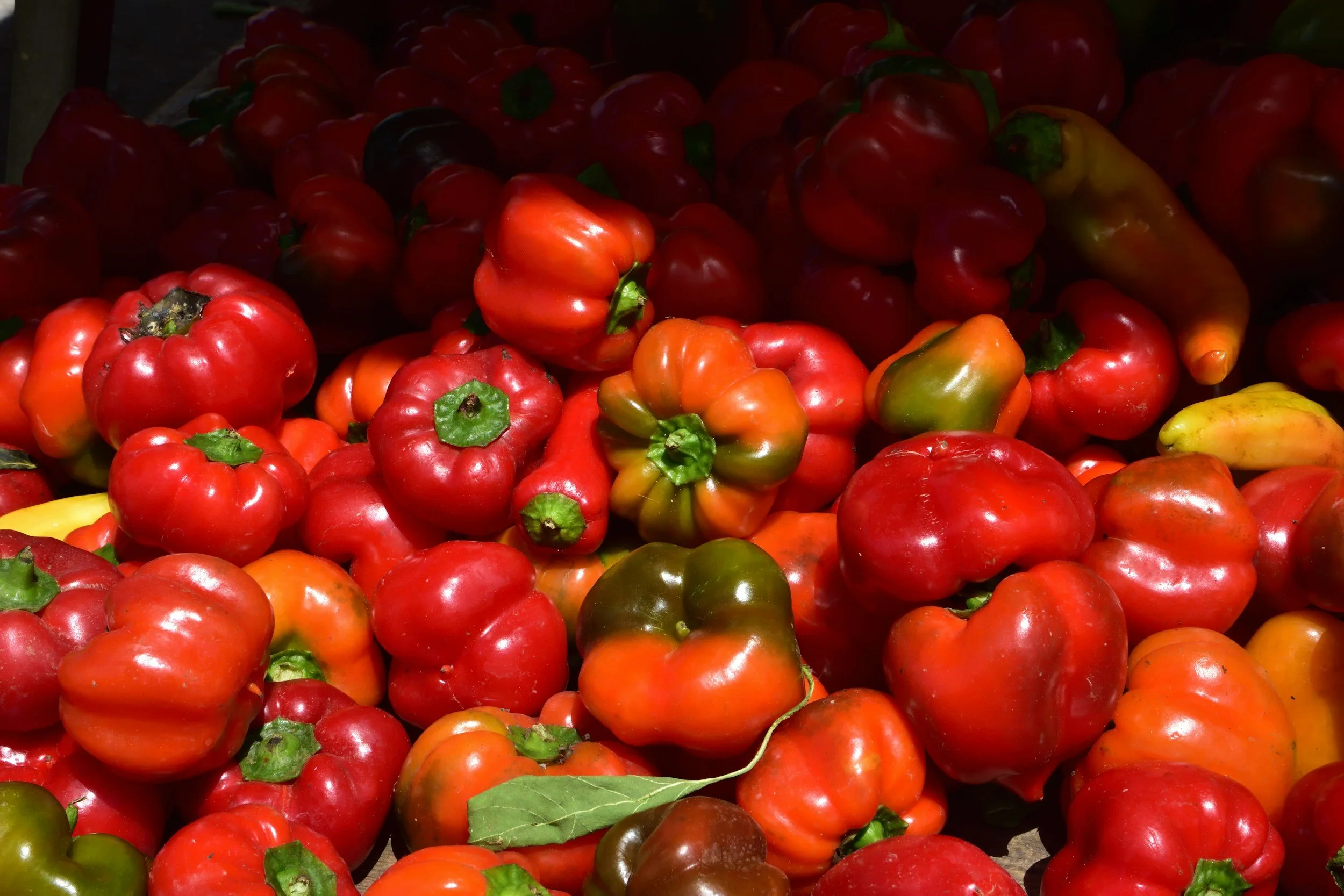
Red foods: red fruit (berries, apples, watermelon, etc.) and vegetables (bell peppers, tomatoes, beets, red onions, etc.) are ideal this time of year! You can also experiment with other red foods, like red rice.
If you’re hot, focus on generally cooling foods, such as cucumber, tomato, eggplant, watermelon, green tea (and be cautious of eating too much spicy food!)
If you’re hot and damp (such as outside in the heat and humidity!), focus on cooling & damp-draining foods:mildly bitter foods (lettuces, bitter greens, etc.), mung bean, buckwheat, Job’s tears (aka yi yi ren, coix seed, or Chinese barley - it is a gluten-free grain), dried tangerine peel (chen pi)
If you’re warm and dry, focus on cooling & moistening foods, such as apricots, grapes, pears (especially for lung dryness, such as a dry cough), pomegranates, tamarind, watermelon
A few herbs to help with heat + damp: hibiscus, lemongrass, mints, peach leaf, dried orange peel (chen pi)
A few herbs to help with heat + dryness: peach leaf & peaches in general (this is a lovely elixir with peach leaf), tamarind
A few herbs to help with cold: warming herbs such as ginger, cardamom, etc. are helpful if you're feeling a bit chilled inside!
A few ideas:
Tea! I love tea, and it’s a great way to incorporate herbs into your day-to-day. Here’s a few ideas:
Try making hibiscus or mint tea - you can make a big batch, refrigerate it, then let it come closer to room temp or slightly cold. Hibiscus is great for damp; mint is great for warmth.
If you’re drinking green tea, try making it cold brewed (ask me for a recipe!), then follow the same steps - let it come to room temp or at least less cold before drinking. You can also continue to enjoy green tea hot - it will still have a cooling effect on the body.
Add a few small pieces of dried tangerine peel to your loose tea - you probably won’t taste it, but it will still help! You can dry pieces of peel from your own oranges/tangerines/etc., or buy chen pi online.
If you're out of the house, a Starbucks Passion iced tea is a cooling mix of the herbs above (just ask for light ice!).
Add fruit to water, or have cucumber water if you're feeling especially dry.
Job's tears and buckwheat make great grains for salad! Adding cooked grains to a salad can help reduce the effect of eating raw foods on the digestive system, so this is a good “hack” in the summer to still get in some salads. The cookbook Linger by Hetty Lui McKinnon has some great recipes for salads mixed with grains.
You can buy Job’s Tears online - I recommend Clear Source Herbs. Check my Recipes page for more advice for sourcing ingredients.
Buckwheat also makes a great breakfast porridge - ask me for the recipe! Starting your day with a cooked porridge (even if it’s not buckwheat) is a great way to take care of 7 of the 16-17 meals of your 80/20 - giving you many more options for your lunches and dinners!
The Recipes page on my website has more ideas on how to incorporate different ingredients.
Hopefully this gives you some ideas on how you can start incorporating food therapy into your day-to-day life! The more you experiment, the easier it becomes. If you enjoy this type of information, sign up for my newsletter! I regularly send out seasonal information, and you’ll get access to my resource library with more information on seasonal changes you can make for your health. You can also check out the classes I offer, and previous blog entries on seasonal health!